Maida Vale rubbish collection Little Venice canal tips
Posted on 28/04/2026
Maida Vale rubbish collection Little Venice canal tips: a practical guide for residents, landlords, and local businesses
If you live, work, or renovate near the Little Venice canals, waste disposal can be trickier than it first looks. Narrow streets, parked cars, shared entrances, waterside paths, and busy residential blocks all affect how quickly rubbish can be moved, sorted, and collected. That is why Maida Vale rubbish collection Little Venice canal tips matter: they help you plan a cleaner, safer, and less stressful clearance without disrupting neighbours or the waterfront surroundings.
This guide explains how local rubbish collection works in practice, what to watch for around the canal area, and how to choose the right approach for household clear-outs, garden waste, builder's debris, and office rubbish. You will also find a checklist, a comparison table, common mistakes to avoid, and trusted next steps if you want a straightforward collection in Maida Vale.
For broader service information, you may also find the services overview useful, especially if you are comparing household, commercial, and specialist waste options.

Why Maida Vale rubbish collection Little Venice canal tips Matters
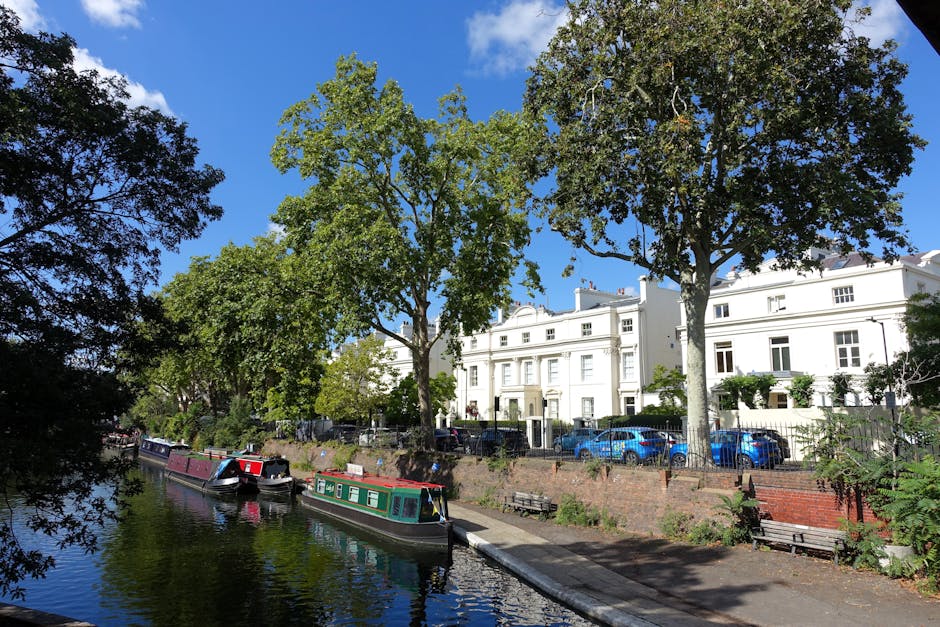
Little Venice has a distinctive feel. The canals, white stucco terraces, mansion blocks, and quieter residential streets make the area attractive, but they also create practical challenges for waste collection. Access is not always simple. In some places, vehicles cannot get close to the property. In others, there may be limited waiting space, restricted turning room, or shared entrances that need careful coordination.
That matters because waste left too long on a pavement, in a communal hallway, or by a canal-side entrance can quickly become a nuisance. It can attract vermin, block access, and create friction with neighbours or building managers. It can also lead to avoidable extra handling if bags are overfilled or items are not separated properly before collection.
There is also an image and environmental angle. The Little Venice area is known for its calm streets and waterside setting, so tidy, well-timed waste removal helps preserve that character. A cluttered pile of black bags outside a period building looks out of place very quickly. To be fair, nobody wants their clear-out to become the thing everyone on the street remembers.
For those who care about the wider context of local living, the area is often discussed as one of Maida Vale's most desirable neighbourhoods. If you are exploring that side of life here, the article on why people fall in love with Maida Vale gives a useful sense of the local character.
Practical takeaway: around Little Venice, the best waste plan is rarely the fastest one on paper. It is the one that fits the building, the street layout, and the timing of everyday local life.
How Maida Vale rubbish collection Little Venice canal tips Works
In plain English, local rubbish collection usually follows a simple pattern: you identify what needs removing, decide whether anything can be reused or recycled, prepare the items safely, and then arrange collection or transport. The main difference near Little Venice is the logistics. The same sofa, wardrobe, or builders' rubble may be straightforward in a driveway area and awkward in a basement flat, top-floor apartment, or canal-side property with limited access.
A good collection process usually involves:
- Assessment: working out the volume, type, and location of waste.
- Separation: sorting recyclable, reusable, bulky, and general rubbish where possible.
- Access planning: checking whether items need to pass through stairwells, narrow halls, or communal spaces.
- Collection timing: choosing a slot that avoids peak traffic, resident bottlenecks, or building restrictions.
- Removal and disposal: loading waste safely and taking it to the appropriate disposal or recycling route.
That final point matters more than many people realise. Responsible waste handling is not just about getting rid of things quickly; it is also about making sure the waste goes somewhere suitable. If you are comparing providers, a page like waste removal in Maida Vale can help you understand the broader service approach before you book.
For projects involving skips or renovation debris, builder access becomes even more important. If your job includes plaster, timber, packaging, or old fixtures, take a look at builders' waste disposal in Maida Vale so you can match the service to the job rather than forcing a general collection to do specialist work.
Key Benefits and Practical Advantages
When rubbish is handled properly in the Little Venice area, the benefits show up quickly. Some are obvious, some are less visible, but all of them save hassle.
- Less clutter at the property: important in flats, shared houses, and compact canal-side homes where storage is limited.
- Safer movement through shared spaces: clear hallways and stairs reduce trip hazards.
- Better neighbour relations: timely removal avoids the "why is that still there?" conversation.
- Cleaner recycling outcomes: separating waste improves what can be reused or diverted from landfill.
- Smoother access for vehicles and crews: planning ahead reduces delays and repeated lifting.
- More control over a moving date or renovation timeline: especially useful during refurbishments or end-of-tenancy clean-ups.
There is also a practical value in choosing the right local route instead of trying to improvise. If you are clearing a home before sale, for instance, waste can easily spill from one room into several. That is where a structured service becomes far more efficient than a few car loads to a distant tip. If you are weighing up that kind of move, the site's house clearance service is worth reviewing.
For businesses near the canal corridor, the benefit is often time. Office waste, packaging, and redundant furniture need to disappear without interrupting staff or visitors. A well-planned collection keeps the operation calm. If that sounds familiar, office clearance in Maida Vale is the more relevant route.
Who This Is For and When It Makes Sense
This topic is relevant to more people than you might expect. In practice, the strongest use cases are not limited to one-off large clearances.
- Flat owners and tenants: especially in mansion blocks, conversions, or upper-floor apartments where carrying waste is awkward.
- Landlords and letting agents: after tenant move-outs, before viewings, or between refurbishments.
- Homeowners renovating near the canal: where debris, packaging, and old fittings build up quickly.
- Garden owners: where seasonal cut-backs create piles of green waste.
- Local businesses: offices, studios, and hospitality venues that need tidy, low-disruption removal.
- People preparing to sell or buy: because a decluttered property is easier to inspect, photograph, and hand over.
It also makes sense when you have a mixed load. For example, a cupboard full of old household items, a broken chair, and some renovation offcuts do not all belong to the same disposal channel. That is exactly where local waste advice helps.
Readers thinking about property changes in the area may also appreciate the perspective in buying property in Maida Vale and the broader view from a local's take on moving to Maida Vale. Both make it easier to see why a clean, manageable property matters in this neighbourhood.
Step-by-Step Guidance
If you want the process to go smoothly, a little preparation goes a long way. Here is a simple, practical sequence that works well for most Maida Vale and Little Venice collections.
1. Identify exactly what needs removing
Walk through the property and separate items into broad categories: general rubbish, furniture, electricals, garden waste, builder's waste, and anything reusable. You do not need to overcomplicate it, but you do need a realistic count of what is there. A single room "full of stuff" is harder to price and plan than a short, honest list.
2. Check access before booking
Measure tight doorways, note stair turns, and think about where a van can safely stop. Little Venice streets can be narrow and busy, so a bit of access planning avoids last-minute stress. If loading from a communal entrance, tell the provider in advance so they can allow extra handling time.
3. Separate anything that should stay out of mixed rubbish
Hazardous items, sharp objects, paints, chemicals, and some electricals need special treatment. The same is true for large volumes of rubble or soil. These are not the items to casually tuck into a mixed bag and hope for the best. That approach rarely ends well.
4. Reduce volume where practical
Break down cardboard, remove detachable shelves, and bundle loose materials safely. This can lower the number of journeys or the overall handling required. It also makes collection faster on the day.
5. Arrange the collection at a sensible time
In a canal-side residential area, timing matters. Mid-morning or early afternoon may suit some homes better than an early rush hour slot. If your building has rules for moving furniture or using service entrances, align the collection with them.
6. Ask how waste will be handled
A trustworthy provider should be clear about disposal and recycling routes. If sustainability matters to you, make that part of the conversation. The site's recycling and sustainability page explains the general approach in more detail.
7. Keep the path clear on collection day
Move parked prams, bikes, and loose items out of the way. This makes the work quicker and helps prevent accidental damage. It also avoids everyone stepping around the same awkward pile three times, which is never anyone's favourite activity.
Expert Tips for Better Results
The difference between a decent collection and a truly smooth one often comes down to small choices. In our experience, these tips save time and reduce avoidable cost or disruption.
- Book before the pile becomes urgent. If you wait until the hallway is packed, every small delay feels bigger.
- Photograph awkward items. Pictures help with quoting and access planning, particularly for bulky furniture or mixed waste.
- Group waste by room or type. It speeds up loading and makes sorting simpler.
- Be realistic about heavy materials. Builders' rubble, tiles, and soil are handled differently from bagged household rubbish.
- Think about neighbours and timing. A quiet, well-managed collection is easier on everyone.
- Use the right service first time. A general rubbish collection is not always the best fit for a clearance, and vice versa.
If your project includes a garden reset, the dedicated garden waste removal service is the cleaner option for branches, clippings, and seasonal debris. That is especially useful where outside storage is limited or shared.
And if you are coordinating rubbish collection around property sale prep, local lifestyle and investment pages can help you understand how presentation affects value perception. The article on Maida Vale real estate investment insights is a good example of that wider context.
Common Mistakes to Avoid
Some waste problems are predictable. The good news is they are also avoidable.
- Leaving sorting until collection day: this slows everything down and increases the chance of missed items.
- Ignoring access constraints: if a van cannot stop close to the property, you need more time and lifting capacity.
- Mixing prohibited items into general rubbish: this can create safety and disposal issues.
- Underestimating volume: a few extra bags can become a full load faster than you think.
- Choosing convenience over fit: not every provider suits every type of waste.
- Forgetting building rules: some blocks have quiet hours, booking requirements, or load-in restrictions.
One especially common issue in apartment buildings is assuming that a communal bin store is a temporary holding area. Usually it is not. Waste should be prepared for prompt collection rather than left to clutter shared spaces.
Another mistake is overlooking documentation. If a landlord, letting agent, or business manager needs confirmation of removal, ask about this early rather than afterwards. It is easier to get the right record when the job is being arranged than once the waste is gone.
Tools, Resources and Recommendations
You do not need specialist equipment for every job, but a few simple tools make a real difference.
- Heavy-duty bags or boxes: better than thin sacks that split halfway down the stairs.
- Gloves and sturdy footwear: basic protection for moving sharp or dusty items.
- Tape, labels, and marker pens: useful when separating keep, donate, recycle, and dispose piles.
- Measuring tape: essential for awkward furniture and narrow routes.
- Trolley or sack truck: helpful for heavier items where access allows.
- Phone camera: ideal for quick photos before booking or to record what was removed.
As a recommendation, start with the service that matches the problem rather than trying to make one service do everything. A home clearance, builder disposal job, and office empty-out each involve different planning choices. The more specific the service, the cleaner the result. You can compare your options through the broader waste removal and rubbish collection in Maida Vale pages if you are deciding which route fits best.
If you are also thinking about the booking journey, the pricing and quotes page is a sensible next stop. Clear pricing information matters, especially when you are balancing convenience, access, and disposal needs.
Law, Compliance, Standards, or Best Practice
Waste collection in the UK is not just a practical matter; it also carries responsibilities. You do not need to become a legal expert to manage a household clear-out, but you should understand a few basics.
First, waste should be handled responsibly. That means using a provider or route that disposes of rubbish appropriately and avoids fly-tipping or unsafe dumping. If you hand waste to someone, it is sensible to check that they are operating properly and that the collection route is legitimate.
Second, certain materials need special care. Hazardous items, sharps, some electrical equipment, chemicals, and heavy construction waste may not belong in ordinary mixed rubbish. If you are unsure, ask before placing items out for collection.
Third, shared buildings often have local rules. These may not be law in the formal sense, but they still matter. Noise windows, lift usage, parking arrangements, and access permissions can all affect whether a clearance runs smoothly.
Fourth, safety is part of compliance. A good provider should operate with sensible handling practices and appropriate insurance. If safety matters to you, the site's insurance and safety information is worth reading before you book.
For company values and responsible operations, you can also review the about us page and the modern slavery statement. Those pages help build trust and show how the business frames its obligations more broadly.
Options, Methods, and Comparison Table
If you are deciding how to handle waste near the canal area, it helps to compare the common routes rather than guessing. The right option depends on quantity, access, urgency, and what type of waste you have.
| Method | Best for | Pros | Trade-offs |
|---|---|---|---|
| General rubbish collection | Mixed household waste, bagged items, everyday clutter | Flexible, quick, easy for small to medium loads | May not suit heavy builder's waste or large furniture on its own |
| House clearance | Whole-room, flat, or estate-style clear-outs | Efficient for large volumes and multiple item types | Needs more planning and access coordination |
| Office clearance | Desks, chairs, filing, equipment, workplace waste | Useful for commercial spaces and refurbishments | Timing must work around staff or operations |
| Garden waste removal | Clippings, branches, soil, and seasonal green waste | Cleaner than mixing outdoors waste with general rubbish | Not ideal for non-garden items |
| Builders' waste disposal | Renovation debris, rubble, timber, fittings | Handles heavier and messier materials more appropriately | Requires clearer item lists and weight awareness |
For many Little Venice properties, the real choice is not between "cheap" and "expensive." It is between "suitable" and "awkward." A well-matched service often saves time, reduces disruption, and avoids repeat handling. If you are planning a larger job, compare the specialist pages first and use the most relevant one.
Case Study or Real-World Example
Imagine a two-bedroom flat near the canal with a small lift, a narrow entrance hall, and a mix of items left after a tenant move-out: a broken wardrobe, several bags of old household goods, packaging from new furniture, and a few pieces of flat-pack material.
If the resident tries to handle it piece by piece over several weekends, the hallway stays cluttered, the bins overflow, and the job drags on. If instead the waste is grouped by type, the access is checked in advance, and the collection is booked for a quieter midweek slot, the removal becomes much more manageable.
The key difference is not dramatic force. It is planning.
In a neighbourhood like Little Venice, that planning matters because shared space is at a premium. A tidy, short-duration collection reduces inconvenience for neighbours and keeps the property presentable. If the job were larger, perhaps involving a full declutter before sale, a house clearance would likely be the better fit than trying to combine multiple partial collections.
That same logic applies to local businesses too. An office can often save a surprising amount of disruption by scheduling disposal before furniture piles up in the wrong place. It sounds basic, but then so does charging a phone before a long journey, and that still saves the day.
Practical Checklist
Use this checklist before your collection day. It keeps the process simple and avoids last-minute surprises.
- Have you listed all the items that need removing?
- Have you separated reusable, recyclable, and general rubbish?
- Do you know whether any items need special handling?
- Have you checked stairways, door widths, and vehicle access?
- Have you confirmed any building or landlord rules?
- Have you chosen a collection time that works for the street and the property?
- Are fragile or sharp items safely packed or labelled?
- Have you moved bikes, prams, and other obstacles out of the way?
- Do you need a quote for a specialist service rather than a general one?
- Have you kept a note or photo record if you may need it later?
Quick self-check: if the plan still feels vague, pause and clarify the access, waste type, and collection method before the day arrives. That small step usually pays for itself in time saved.
Conclusion
Maida Vale rubbish collection Little Venice canal tips are really about making waste removal fit the neighbourhood, not forcing the neighbourhood to fit the waste. In a place with canal-side streets, shared entrances, and a strong residential feel, the most effective collection is the one that is organised, considerate, and matched to the type of rubbish you actually have.
If you plan ahead, choose the right service, and keep access and sorting in mind, you can avoid most of the usual headaches. The result is less clutter, less stress, and a smoother experience for everyone involved. Whether you are clearing a flat, refreshing a garden, preparing for a move, or dealing with renovation debris, a little structure goes a long way.
If you are ready to take the next step, start with the page that best matches your needs, then build from there.
Get a free quote today and see how much you can save.
For more information about booking, fees, and what to expect, the pricing and quotes page is a practical place to begin.

 Tipper Van - Household Waste Remmoval and Rubbish Removal Prices in Maida Vale, W9
 Luton Van - Household Waste Remmoval and Rubbish Removal Prices in Maida Vale, W9