Rubbish removal for Maida Vale shops and offices
Posted on 14/05/2026
Rubbish removal for Maida Vale shops and offices: a practical local guide
If you run a shop, manage an office, or look after a mixed-use premises in Maida Vale, waste has a habit of appearing at the worst possible time. A refit lands on Friday, stock arrives in awkward packaging on Monday, the back storeroom starts filling up by Wednesday... and suddenly you are dealing with more cardboard, broken fixtures, old furniture, and general clutter than your team can sensibly handle.
Rubbish removal for Maida Vale shops and offices is not just about getting rid of unwanted items. Done well, it keeps your premises tidy, protects staff, supports customer-facing standards, and helps you avoid the usual headaches around storage, access, and disposal. In a place like Maida Vale, where many businesses operate from compact frontages, shared entrances, or properties with limited loading space, a good plan matters more than people often realise.
This guide walks through how commercial rubbish removal works, what to expect, how to choose the right approach, and where businesses tend to go wrong. It is written to be useful whether you are clearing a single office floor, refreshing a retail unit, or simply trying to keep on top of recurring waste without turning the back room into a graveyard for old desks.
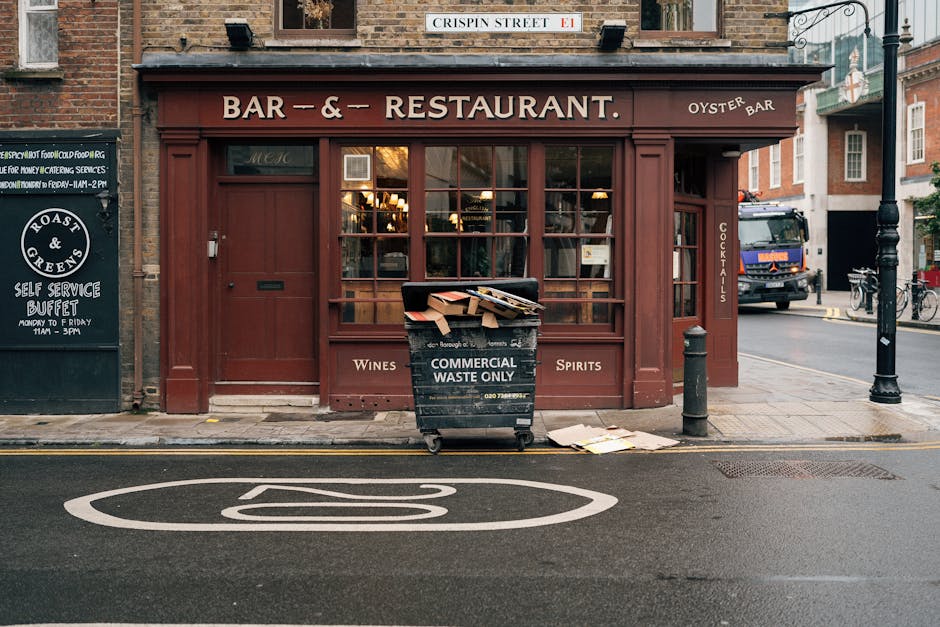
Why Rubbish removal for Maida Vale shops and offices Matters
Commercial rubbish removal plays a bigger role than many businesses expect. In a retail unit, clutter affects how people feel the moment they step inside. In an office, it affects focus, safety, and sometimes morale too. A room full of unloved chairs, surplus packaging, and obsolete equipment has a way of making the whole place feel tired.
Maida Vale has its own practical quirks. Access can be awkward, streets can be busy, and business premises are often squeezed into properties where there is not much tolerance for waste piling up. If you have ever tried to move a stack of boxes down a narrow staircase while someone is arriving for a meeting, you will know the feeling. It is not ideal, to put it mildly.
There is also the reputational side. Customers, clients, and visitors notice whether a business is organised. Staff notice too. A tidy, well-managed premises suggests control. A cluttered one can quietly signal the opposite. That is why many local businesses treat waste removal as part of operations rather than a once-in-a-blue-moon chore.
If you are looking at broader service support as well, it can help to review the full services overview and see how different clearance options fit together. For some premises, a recurring collection approach works best; for others, a one-off clearance is the cleaner, simpler solution.
How Rubbish removal for Maida Vale shops and offices Works
At a practical level, the process is usually straightforward. You identify what needs to go, arrange a collection window, and the waste is removed by a team that can handle lifting, sorting, loading, and disposal. The exact service can vary depending on the amount and type of waste, the building layout, and whether you need a same-day or scheduled visit.
For shops, the work often involves packaging waste, broken shelving, old display units, damaged stock, mannequins, point-of-sale materials, and strip-out debris after refits. For offices, the list tends to include desks, chairs, filing cabinets, IT equipment, archive boxes, carpet offcuts, and general clutter from storage rooms or refurbishments.
There is usually a bit of preparation on your side. That does not mean heavy labour. It normally means deciding what stays and what goes, separating any confidential documents, and making sure access is clear. A good provider will then load items efficiently and remove them with as little disruption as possible. If you need something more tailored, a dedicated office clearance in Maida Vale can be a better fit than a generic rubbish pickup.
For smaller, more regular needs, a local rubbish collection in Maida Vale may be enough. For heavier, mixed, or renovation-related waste, waste removal in Maida Vale is often the more flexible option. Truth be told, matching the service to the actual problem saves time and money more often than people expect.
Key Benefits and Practical Advantages
The obvious benefit is space. Once waste is out of the way, storage areas work properly again, and staff can move around without sidestepping old packaging or spare furniture. But the real value goes further than that.
- Better presentation: A clean shop floor or reception area helps customers feel comfortable.
- Safer working conditions: Less clutter means fewer trip hazards and fewer awkward lifts.
- More usable storage: Back rooms and cupboards can return to their intended job.
- Less staff distraction: Teams do better in spaces that feel managed and under control.
- Improved turnaround after works: Office moves, refurbishments, and fit-outs can finish faster when waste is cleared quickly.
- More sustainable disposal: A responsible provider can sort recyclable materials and reduce landfill where possible.
There is also a quieter benefit: peace of mind. Once the rubbish is scheduled, it stops hanging over you. That mental load matters. Anyone who has run a business knows there are already enough moving parts without old cabinets staring at you from the corridor.
For premises with a broader sustainability focus, it is worth reading the company's recycling and sustainability approach. That can help you align clearance decisions with the way your business wants to operate.
Who This Is For and When It Makes Sense
This kind of service suits a wide mix of businesses, not just large offices or retail chains. In practice, it is often used by:
- independent shops refreshing stockrooms or fitting new displays
- cafes and hospitality operators clearing packaging, broken furniture, or back-of-house waste
- small offices replacing desks, chairs, or storage units
- agencies and professional firms clearing archive material or old electronics
- landlords and property managers preparing a unit for new tenants
- businesses ending a lease and needing a fast, tidy handover
It makes sense whenever waste is too bulky, too mixed, or too disruptive for your team to handle alone. A few black bags? Fine. A rear storeroom full of broken shelving, or half an office floor after a redesign? That is where a commercial clearance service earns its keep.
Some businesses also combine waste removal with wider property decisions. If a change of location is on the cards, you may find it useful to look at local context through resources such as Should you move to Maida Vale? Ask a local or the broader area guide Fall in love with Maida Vale. Not because waste removal and moving are the same thing, of course, but because business premises decisions are rarely isolated.
Step-by-Step Guidance
If you want the process to run smoothly, it helps to think in stages. That way nothing important gets missed, and the job is less likely to turn into a slightly chaotic afternoon of guessing and apologising. We have all seen those jobs. Nobody enjoys them.
- Identify the waste clearly. Separate general rubbish, reusable items, recyclables, electricals, and anything sensitive or confidential.
- Check access. Note stairs, lifts, parking limitations, loading points, or times when access is restricted.
- Estimate the volume. You do not need to be exact, but a rough idea of item count, bag count, or room size helps.
- Flag special items. Point out heavy furniture, glass, monitors, confidential paperwork, or awkward materials before collection day.
- Book a suitable time. For shops, early mornings or quieter trade periods often work best. Offices may prefer after-hours or between meetings.
- Prepare the area. Clear walkways and make sure the team can get in and out without disturbing customers or staff.
- Confirm what will be removed. A quick recap on site avoids misunderstanding, especially if some items are staying.
- Ask about sorting and disposal. If recycling matters to you, say so up front.
A small but useful tip: label what is staying. In a busy office, the line between "to go" and "absolutely do not take" can get fuzzy after lunch. A bit of tape and a marker pen can save a lot of awkwardness.
If your job includes furniture, fixtures, or mixed waste from a fit-out, the more specialised builders waste disposal in Maida Vale may be more suitable. And if you are cleaning out a workplace as part of a full reset, office clearance services are usually the best place to start.
Expert Tips for Better Results
Here is the bit that tends to separate a smooth job from a messy one: preparation and clarity. Not glamorous, but effective.
First, separate your categories before collection day. Office furniture, cardboard, electricals, confidential waste, and general junk should not all be thrown into one pile if you can avoid it. Sorting in advance makes disposal quicker and often easier to manage.
Second, think about timing. Shops usually benefit from early slots before opening or just after close. Offices may want a time when fewer people are on site. A Tuesday morning can sometimes be calmer than a Friday afternoon, because Fridays have a way of becoming unexpectedly busy. Funny how that happens.
Third, protect the parts of the premises that matter. A doorway scuff or a scratched floor can be more annoying than the rubbish itself. Use simple floor protection if items are heavy or bulky, especially in tight hallways or shared entrances.
Fourth, ask what happens to reusable items. Some desks, chairs, and fixtures may be suitable for reuse or recycling. Even if they are not perfect, the right sorting process can keep more material out of disposal streams.
Fifth, keep communication direct. If a lift is out, if there is no parking, if the rear access is shared with another business, say so early. The best clearance jobs are usually the ones where nobody has to improvise on the day.
One more thing: if your business values a responsible disposal route, bring that up as part of the quote process. A provider that already works with clear sustainability principles is often easier to trust, and that is not a small thing.

Common Mistakes to Avoid
A lot of business waste problems are not caused by the rubbish itself. They come from poor planning. The good news? They are easy enough to avoid once you know what to look for.
- Leaving everything until the last minute. This is the classic one. The pile gets bigger, access gets worse, and stress goes up.
- Not separating confidential material. Paper records, storage drives, and old files need careful handling. Do not assume they will be dealt with automatically.
- Underestimating bulky items. A few chairs and cabinets can take up more space than you expect.
- Ignoring access issues. Tight stairwells, no lift access, or loading restrictions can change the whole plan.
- Choosing a service that is too limited. A standard pickup may not suit a full office clearance or mixed commercial waste.
- Forgetting about staff and customers. A clearance during peak trading hours can create avoidable disruption.
Another quiet mistake is assuming all waste is the same. It is not. Cardboard, electricals, furniture, and renovation debris may need different handling. If your business has lots of mixed waste, a broader waste removal solution in Maida Vale can be simpler than trying to force everything into one category.
Tools, Resources and Recommendations
You do not need a warehouse full of equipment to manage commercial rubbish sensibly. A few basic tools and habits make a noticeable difference.
- Labels and tape: Useful for marking items to keep, donate, recycle, or remove.
- Basic inventory list: Helps you avoid accidental disposal of useful items.
- Photographs of the waste area: Handy when requesting a quote, especially for mixed or bulky items.
- Measuring tape: Simple, but useful for checking access and estimating furniture size.
- Protective floor covering: Particularly helpful in shops with polished floors or in offices with narrow routes.
- Secure sacks or lockable containers: Best practice for confidential waste before handover.
In terms of useful company resources, the pages on pricing and quotes, insurance and safety, and about us are worth reading if you want a clearer sense of process, responsibility, and how the service is set up. That kind of background matters when you are trusting someone with your premises.
For businesses that are conscious of safe payments and admin, the pages on payment and security and terms and conditions can be useful too. Not exciting reading, admittedly, but practical.
Law, Compliance, Standards and Best Practice
Commercial waste handling in the UK should always be approached carefully. You do not need to become a compliance specialist, but you do need to know enough to avoid risky shortcuts. In plain English: make sure the waste is handled by a suitable provider, and keep your own records tidy.
For business owners and managers, the main principle is straightforward. You remain responsible for waste produced by your premises until it is properly transferred. That is why paperwork, receipts, or transfer records matter. If you hand material over, keep evidence of who took it and when.
It is also wise to be cautious with specific waste streams:
- Electrical items should be handled separately where appropriate.
- Confidential documents should be securely destroyed or shredded, not just binned.
- Furniture and fittings may require dismantling before removal.
- Construction or refurbishment waste should be managed as commercial mixed waste, not household rubbish.
Best practice also means choosing a provider that is clear about safety, access, and disposal methods. If something feels vague, ask again. A good operator should be able to explain the plan in normal language without making it sound like a secret ritual.
For businesses concerned with ethical supply chains and responsible operations, the pages on modern slavery statement and sustainability can help signal the standards behind the service. Not every customer will read them, but the right businesses usually care that they exist.
Options, Methods and Comparison Table
There is more than one way to manage commercial rubbish. The best choice depends on volume, timing, and the type of waste involved. Here is a simple comparison to help you decide.
| Method | Best for | Advantages | Things to watch |
|---|---|---|---|
| Scheduled rubbish collection | Regular small-to-medium waste from shops or offices | Simple, predictable, less disruption | May not suit bulky or one-off clearance jobs |
| One-off waste removal | Clear-outs, stockroom resets, ad hoc cleanups | Flexible, quick, handles mixed loads | Needs better upfront planning |
| Office clearance | Desks, chairs, archives, and workplace refits | Useful for full floor or room clearances | Confidential items need extra attention |
| Builders waste disposal | Refurbishments, fit-outs, and strip-outs | Better for heavier mixed debris | Access and loading can be trickier |
For many businesses, the decision is less about which method sounds best and more about which one causes the fewest problems on the day. A small boutique with a back room full of boxes might only need a collection. A law office clearing several rooms before a move probably needs something closer to a full clearance. Different jobs, different answers.
Case Study or Real-World Example
Imagine a small Maida Vale shop that has just finished a window display refresh and a minor stockroom tidy-up. Over the course of a week, the team has gathered old cardboard, broken shelving brackets, a worn display unit, and several damaged fixtures that were "temporarily" stored behind the till. By Friday, the back room is cramped and the staff are starting to step around the pile.
Instead of leaving it for another month, the manager books a collection. Before the team arrives, the shop separates reusable packaging from true waste, clears a path from the rear store to the front access point, and marks one or two items that must stay. The removal is done quickly, the shop floor looks cleaner, and the staff can finally move stock without playing a small game of obstacle course.
Now compare that with a nearby office clearing several years of old filing cabinets, broken monitors, and redundant desks. That job needs more planning. Sensitive documents are bagged separately, routes are checked, and the clearance is timed outside the busiest part of the day. Same general service idea, but a very different execution.
That is the real point: the best rubbish removal is tailored, not generic. The smoother the prep, the easier the result.
Practical Checklist
Use this checklist before you book.
- Have you listed every item or type of waste to be removed?
- Have you separated confidential documents and sensitive materials?
- Do you know whether the job is a collection, clearance, or mixed waste removal?
- Have you checked access, parking, stairs, and loading restrictions?
- Have you chosen a time that limits disruption to staff or customers?
- Have you marked any items that must not be taken?
- Have you asked about recycling and reuse where possible?
- Have you reviewed pricing, payment, and basic terms in advance?
- Have you confirmed what happens to bulky, electrical, or unusual waste?
- Do you have a contact person on site on the day?
If you can tick most of those off, you are in good shape. Not perfect, maybe. But good enough to keep the day calm, which is usually what everyone wants.
Conclusion
For Maida Vale shops and offices, rubbish removal is less about getting rid of junk and more about keeping the business running properly. Clean premises feel better, work better, and present better. They also make it easier to manage everyday life, whether you are handling a small retail refresh or a more substantial office clear-out.
The best results come from a simple mix: clear planning, the right service type, sensible timing, and a provider that understands commercial access and disposal needs. Once those pieces are in place, the whole process becomes far less stressful than people imagine.
And frankly, there is a quiet relief in seeing a cluttered room become usable again. That little moment when the floor is clear, the air feels lighter, and you can actually move without side-stepping an old chair... it matters more than it looks on paper.
Get a free quote today and see how much you can save.

 Tipper Van - Household Waste Remmoval and Rubbish Removal Prices in Maida Vale, W9
 Luton Van - Household Waste Remmoval and Rubbish Removal Prices in Maida Vale, W9