Insider tips on bulky rubbish collection Maida Vale
Posted on 18/10/2026
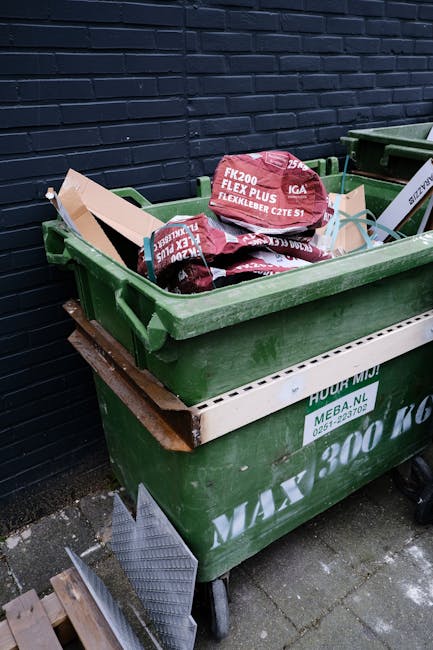
If you have ever stood in a hallway in Maida Vale looking at an old wardrobe, a broken sofa, or a pile of packaging from a renovation and thought, "Right... how on earth do I get rid of this?", you are in the right place. Bulky rubbish collection in Maida Vale sounds straightforward until you meet tight front steps, shared entrances, parking limits, and that awkward moment when the item is too big for the bin but not quite big enough to justify a full clear-out. This guide pulls together the practical insider tips that make the whole process smoother, cheaper, and far less annoying.
Whether you are clearing out a flat near the canal, dealing with refurb waste from a rental property, or just trying to reclaim a spare room that has quietly become a storage unit, the goal is the same: remove bulky waste quickly, safely, and without paying for mistakes you could have avoided. We will cover how it works, what to watch out for, how to prepare properly, and which options usually make the most sense in Maida Vale.
And yes, there are a few local quirks worth knowing. Let's face it, in W9 a small logistical slip can turn into a very long afternoon.
Why bulky rubbish collection matters in Maida Vale
Bulky rubbish is one of those jobs that looks simple from the outside and then becomes oddly complicated once you start moving things around. In Maida Vale, that complexity can show up quickly: basement flats, narrow communal areas, resident parking pressures, and shared access routes all make disposal harder than it first appears. That is why a few insider tips can save real time and money.
For many residents and landlords, bulky waste is not just about getting rid of one large item. It often comes at the end of a life event or a project: a tenancy change, a move, a new sofa delivery, a home office upgrade, or a post-renovation clean-up. The emotion behind it matters too. Clearing a space can feel like a small reset, especially when a room has been cluttered for weeks. You notice the difference immediately, even before the kettle has boiled.
It also matters because the wrong disposal choice can create extra costs. A rushed booking, poor item sorting, access problems, or permit issues can turn an easy collection into a more expensive one. If you want a deeper look at how the local area shapes day-to-day decisions, the post on moving to Maida Vale from a local perspective gives useful context about the kind of homes and routines people deal with here.
Practical takeaway: bulky rubbish collection works best when you plan for access, classify items accurately, and book the right level of service first time. That sounds obvious. It rarely feels obvious when you are staring at a dismantled bed frame in the stairwell.
How bulky rubbish collection works
At its simplest, bulky rubbish collection is the removal of large household or commercial items that are too awkward, heavy, or inconvenient for standard bin collections. That can include furniture, mattresses, white goods, broken shelving, old office desks, garden items, and similar awkward loads.
In Maida Vale, the process usually starts with a quick assessment of what needs to go. A good service will want to know the item types, approximate volume, access conditions, and whether anything is especially heavy, fragile, or hazardous. If you have mixed rubbish, it may be grouped into separate waste streams so that recyclable materials can be handled more responsibly. That is one reason people looking for broader support often compare general rubbish collection in Maida Vale with more specific disposal options.
From there, the collection team will usually arrive with the right vehicle, load the items, and take them away for sorting, reuse, recycling, or disposal. In practice, the quality of the job often depends on the preparation done before they arrive. Are the items downstairs already? Is the lift usable? Is the access route clear? Small details make a big difference.
Some jobs are straightforward. Others are not. A sofa from a ground-floor flat on a quiet street is very different from a two-person lift-out of a fridge freezer from the third floor when the lift is out of service. Same category, very different day.
If your bulky waste is part of a wider clean-up, it can also make sense to look at the broader services overview so you can choose between targeted uplift, full waste removal, or a more complete clearance.
Key benefits and practical advantages
The obvious benefit is convenience, but there is more to it than that. A properly planned bulky rubbish collection can reduce stress, protect communal areas, and prevent items from lingering for days in a hallway or outside a building.
- Fast space recovery: you get rooms, storage, or circulation areas back quickly.
- Less manual risk: large items are heavy in awkward ways, and one bad lift can be enough to cause injury.
- Cleaner presentation: useful for landlords, sellers, shop owners, and anyone trying to keep a property tidy.
- Better sorting outcomes: good operators separate reusable and recyclable waste where possible.
- Less disruption: a single coordinated collection is usually easier than several improvised trips to the tip.
There is also the practical benefit of certainty. You know when the item is going, who is handling it, and what the likely cost structure is. That matters if you are managing a move or an end-of-tenancy deadline. For example, people comparing timing and availability may find it useful to read about same-day rubbish removal in Maida Vale W9, especially when a deadline suddenly becomes very real.
And because bulky waste often overlaps with cost and planning decisions, a helpful next step is understanding the likely pricing approach. The article on Maida Vale waste removal costs is a sensible companion read if you are trying to budget properly.
Expert summary: the best bulky rubbish collections are the ones that feel almost boring on the day itself. The planning happens beforehand, the access is clear, the item list is accurate, and the waste disappears without a drama. That is the goal.
Who this is for and when it makes sense
Bulky rubbish collection is useful for a lot of people, not just homeowners in the middle of a clear-out. In Maida Vale, it is particularly relevant for:
- tenants moving out and needing to remove old furniture
- landlords preparing a flat for new occupants
- homeowners replacing large household items
- families clearing lofts, basements, or spare rooms
- shops and offices disposing of desks, display units, or stockroom clutter
- builders or renovators dealing with leftover non-hazardous waste
Sometimes the question is not "Can I remove this?" but "Should I do it now or wait?" If the item is blocking a walkway, causing a smell, attracting damp, or making it impossible to finish decorating, the answer is usually now. Truth be told, once an item has sat in the corner for a month, it tends to attract more clutter around it. Funny how that happens.
It also makes sense when you are dealing with mixed loads that would be awkward to break apart yourself. A wardrobe, some broken shelves, a few bags of clutter, and an old rug can take far longer to handle privately than many people expect. If your situation is closer to a business or shared building, you may also find the guidance on rubbish removal for Maida Vale shops and offices useful because the planning issues are slightly different.
Step-by-step guidance
If you want the simplest possible outcome, follow a structured approach. It keeps surprises down and gives you a clearer idea of what you are actually paying for.
- List every item. Write down what needs removing, even if it feels obvious. Include partial items such as dismantled bed bases or broken chair frames.
- Separate bulky items from loose waste. Some collections are priced or loaded differently depending on what is mixed in.
- Measure the largest pieces. A tape measure saves a lot of guesswork. Doorways, lifts, stair corners, and bin stores matter more than people think.
- Check access conditions. Is there parking nearby? Is there lift access? Are there any narrow communal sections or timed entry restrictions?
- Decide whether items can be dismantled. Flat-pack furniture, wardrobes, and bed frames are often easier to move when broken down carefully.
- Request a clear quote. Ask what is included: labour, loading, disposal, and any potential permit or congestion-related complications.
- Book a sensible time slot. A quieter time of day can make access easier, especially in busier residential streets.
- Prepare the items for collection. Put them in one area if possible, and keep walkways open.
- Confirm waste handling expectations. Good operators can explain what happens to reusable or recyclable material.
- Do a final sweep. Check cupboards, behind doors, and under beds before the team leaves. You would be amazed what gets missed.
A little planning here saves a lot of running up and down stairs later. And if you are comparing different disposal methods, it can help to read about house clearance in Maida Vale as well, because the boundary between bulky collection and fuller clearance is not always obvious.
Expert tips for better results
Here are the tips people usually only learn after doing this once or twice.
1. Group items by weight and awkwardness
Heavier objects should be separated from soft, lightweight items. That makes loading quicker and reduces the chance of scratches, scuffs, or damage to hallways. If a mattress is going out, do not balance it on top of a stack of loose items. It seems harmless until it is not.
2. Photograph problem items before booking
A few clear photos help a collection team judge the real job more accurately. A sofa with loose cushions is one thing; a waterlogged sofa that has been sitting in a storage room is another. Pictures reduce misunderstandings, and misunderstandings are where hidden costs sometimes begin.
3. Think about neighbours and shared access
In shared buildings, timing matters. Noise, lift use, and corridor blockages are all part of the picture. A tidy, quick collection is simply easier to manage when neighbours are not being asked to wait around with prams, shopping, or a delivery trolley. That little bit of courtesy goes a long way.
4. Handle recycling-friendly items sensibly
Wood, metal, and some hard plastics may be recyclable depending on condition and contamination. If you are removing a set of mixed items, ask how the operator handles sorting. It is a small question, but it tells you a lot about how they work. For readers who care about end-of-life handling, the page on recycling and sustainability is a helpful reference point.
5. Be realistic about same-day needs
Same-day collection can be brilliant, but only if you are ready. If the items are still spread around the flat, the access route is blocked, and you are waiting for somebody to finish dismantling a shelf, the "urgent" job becomes a delayed one. Clear the way first, then book the speed.
6. Keep paperwork and payment details ready
It sounds unglamorous, but it helps. Whether you are booking online or confirming a time by phone, having the basics ready makes the whole thing feel much easier. If security is on your mind, you can also review the site's payment and security information before making any decisions.
One more tiny but important point: do not assume every bulky item can be treated the same way. White goods, damaged furniture, builder leftovers, and office items often need slightly different handling. That nuance is where good service shows up.
Common mistakes to avoid
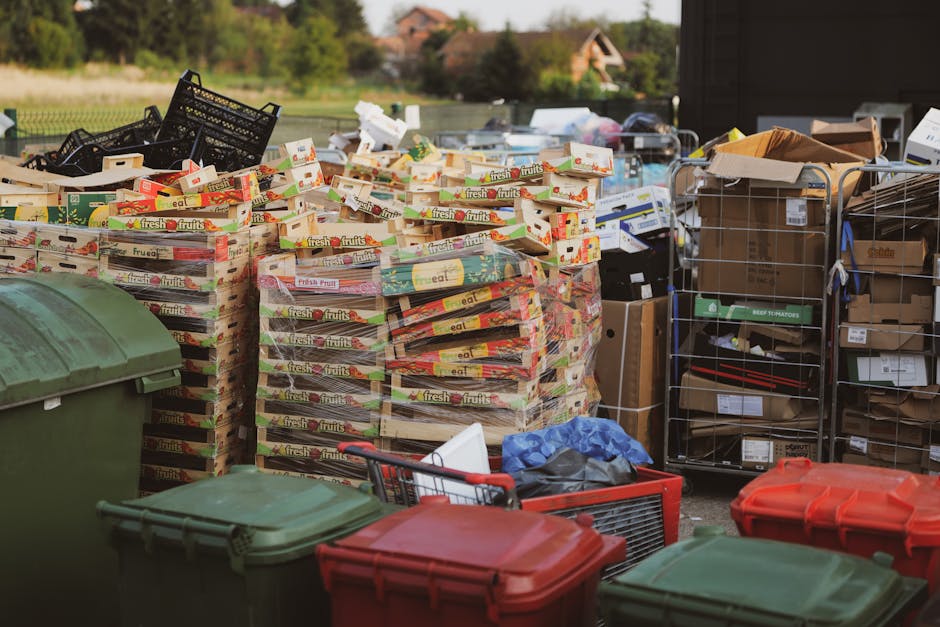
Most bulky rubbish headaches come from a handful of repeated mistakes. Avoid these and you are already ahead of the game.
- Underestimating volume: "Just a few items" has a funny habit of becoming a van-full.
- Forgetting access constraints: a parking space, lift restriction, or narrow stairwell can change everything.
- Mixing prohibited waste with household waste: some items need special handling, so always check in advance.
- Not asking what is included in the price: labour, loading, disposal, and extra handling should all be clear.
- Leaving everything until the last minute: this is the classic one, and yes, it causes most of the stress.
- Assuming permits are never needed: street access, parking, and loading arrangements can matter a lot in London.
If you are trying to avoid awkward add-ons or vague fees, it is well worth reading how to avoid hidden rubbish collection fees in Maida Vale. That is one of those topics people usually wish they had checked before the booking, not after.
And if your collection needs to happen on-street or near a controlled parking zone, the local guidance on Maida Vale rubbish permits and Westminster Council rules is particularly relevant.
Tools, resources and recommendations
You do not need a specialist toolkit to arrange bulky rubbish collection, but a few basic items make life noticeably easier.
- Measuring tape: useful for large furniture, lift doors, stair bends, and awkward hallway turns.
- Marker pen and labels: helpful if you want to separate what is going and what is staying.
- Basic screwdriver or Allen key: for flat-pack furniture, bed frames, shelving, and similar items.
- Gloves: worth wearing when moving dusty, splintery, or sharp-edged waste.
- Phone camera: take photos of the items and access route before the collection day.
- Checklist note on your phone: simple, but very effective when you are trying to remember what is in the loft and what is in the bedroom.
For service comparisons, it can also help to browse the broader waste removal Maida Vale page and the pricing and quotes information so you can see how different jobs are usually structured. That is especially handy if your load is not purely bulky rubbish and includes mixed household waste too.
If you are dealing with a building project, a garden overhaul, or a workspace clear-out, the specialist pages for builders' waste disposal, garden waste removal, and office clearance can help you choose the right route without overbuying the service.
Law, compliance, standards, or best practice
Bulky rubbish collection is not just a practical job; it also sits within a wider framework of responsible waste handling. In the UK, households and businesses have different expectations around waste duty of care, safe handling, and proper disposal. You do not need to know every technical detail to make a sensible decision, but you do need to be careful about who is taking your waste and what they plan to do with it.
From a best-practice point of view, the most important things are straightforward: use a reputable operator, do not put hazardous items in a standard bulky collection unless they are explicitly accepted, and make sure the waste is transferred and handled responsibly. If you are clearing premises for a business, record-keeping and traceability matter even more.
In Maida Vale, access and parking can also become a compliance issue in their own way. A collection booked without thought for loading restrictions, shared access, or local parking controls may end up delayed or incur extra coordination. That is why a properly planned booking is not just convenient; it is usually the safer and more predictable option.
Insurance and safety are part of the picture too. Heavy lifting, sharp edges, broken glass, and awkward stair carries are not things to improvise. A professional crew should have the right approach to handling risk, and if that matters to you, it is worth reviewing the site's insurance and safety guidance.
For readers who want reassurance about how the business operates more broadly, the pages on about us and the terms and conditions can help set expectations before you book. Small thing, but it builds confidence.
Options and comparison table
There is no single "best" way to deal with bulky rubbish in Maida Vale. The right option depends on what you are removing, how quickly it needs to go, and how much effort you want to spend on preparation.
| Option | Best for | Pros | Watch out for |
|---|---|---|---|
| Single bulky item collection | One sofa, mattress, appliance, or wardrobe | Simple, quick, usually easy to plan | Can become inefficient if you add more items later |
| Mixed bulky waste removal | Several large items plus loose waste | Good for clear-outs and moves | Needs accurate item description and volume estimate |
| House clearance | Multiple rooms, full flats, probate, or end-of-tenancy jobs | Most comprehensive, less stress for big jobs | Usually more involved than a one-off uplift |
| Office clearance | Desks, chairs, filing, and workspace clutter | Useful for commercial changes and upgrades | May need more coordination around access and timing |
| Builders' waste disposal | Renovation leftovers, rubble, packaging, and trade waste | Suited to project clean-up | Not all waste types are handled the same way |
As a rule of thumb, if you are only removing one or two large items, a focused bulky collection is usually enough. If you are looking around a room and thinking, "This is not really one job, this is five jobs in a coat," then house clearance or general waste removal may be the better fit.
Case study or real-world example
Here is a realistic Maida Vale-style scenario. A family in a first-floor flat is replacing a sofa, a dining table, and a couple of broken bedroom items after a move. They also have loose packaging and a rug that has seen better days. At first, they think they just need a quick furniture uplift.
Once they measure the staircase and check the route from the front door, they realise the table will not turn easily at the landing. So they dismantle it first, move the loose packaging into one corner, and place the sofa by the entrance the evening before collection. That extra half-hour of prep changes the whole job.
The result? Faster loading, fewer awkward lifts, and no last-minute panic about whether the items will fit through the hall. Nothing dramatic. Just a smooth, ordinary collection. Which, honestly, is the best kind.
This is also a good example of why local context matters. In a quieter, more spacious property, the same job might have been trivial. In Maida Vale, where access can be tight and shared spaces need a little care, the prep does a lot of the heavy lifting before the crew even arrives.

Practical checklist
Use this checklist before your bulky rubbish collection day. It saves time, and it saves that horrible feeling of remembering one more thing while the team is already at the door.
- List every item that needs to be removed
- Measure the largest or most awkward pieces
- Check whether items can be dismantled safely
- Clear walkways, stairwells, and access points
- Confirm parking or loading arrangements if needed
- Separate recyclable, reusable, and general waste where possible
- Take photos of anything unusually large, heavy, or damaged
- Ask what the quote includes
- Prepare payment details and booking confirmation
- Do a final room-by-room sweep before collection
One tiny extra step: open cupboards and look behind doors. People forget the smallest things most often. It is almost a rule.
Conclusion
Bulky rubbish collection in Maida Vale is easiest when you treat it like a small logistics job rather than a last-minute favour to yourself. Identify the items, think through access, ask about pricing clearly, and book the service that actually fits the load. That is the real insider tip: planning beats rushing every time.
For residents, landlords, and businesses in W9, a tidy collection does more than clear space. It removes friction. It makes the next stage easier, whether that is a move, a refurbishment, a new tenant, or simply a calmer room at the end of a long week. And honestly, there is something quietly satisfying about seeing a floor plan open up again after the clutter has gone.
Get a free quote today and see how much you can save.
When the job is done properly, the whole place feels lighter. That is the part people remember.
 Tipper Van - Household Waste Remmoval and Rubbish Removal Prices in Maida Vale, W9
 Luton Van - Household Waste Remmoval and Rubbish Removal Prices in Maida Vale, W9